
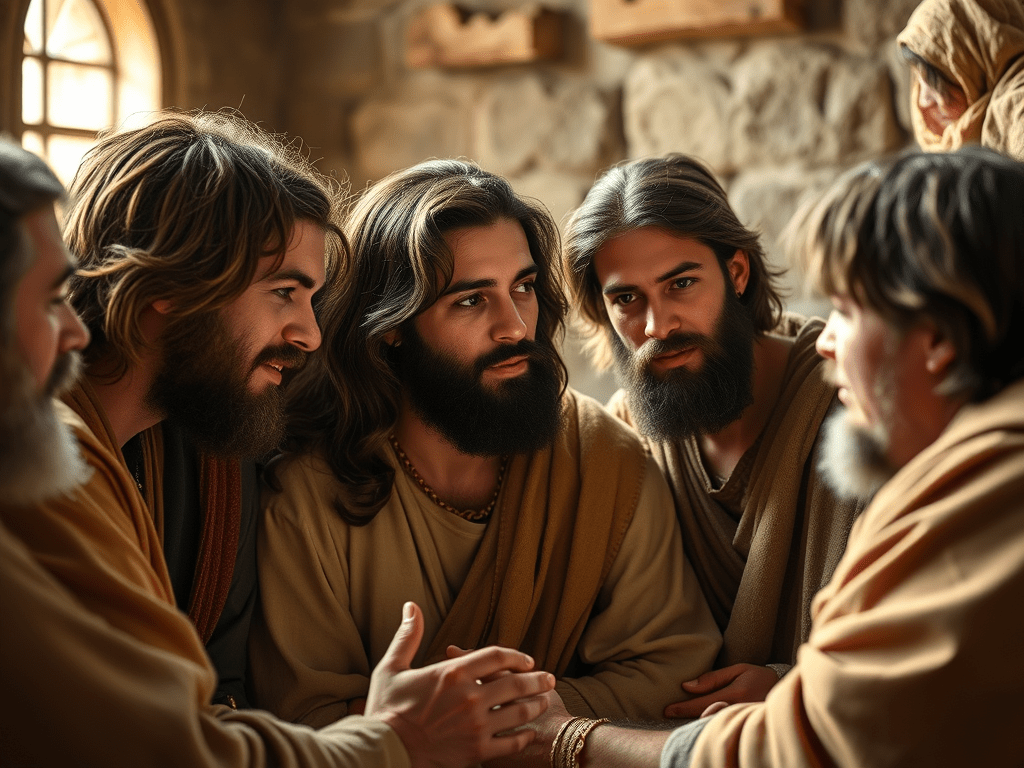
Because the disciple has pledged themselves to follow and pattern their lives after the Master, the process of learning and transformation becomes the focus of discipleship. This is more of the “What?” and “Why?” of discipleship. While learning is involved, transformation is the key goal of this process. I would argue that the transformation from spiritual death to life in Christ is what enables the believer to become a good disciple. Paul teaches that we are saved unto good works in Ephesians 2:10. That work entails learning to follow Jesus and become more like Him. The believer is no longer who they were after salvation. Their very identity is changed and is now in Christ (2 Corinthians 5:16-17; Galatians 2:20). Though we see the disciples fish even after following Jesus, their primary work became that of their master. Jesus noted this change by explaining that He would make Simon and Andrew “fishers of people” in Matthew 4:19. Their jobs and identity were transformed through discipleship.
As we see in the life of Simon, later called Peter, his job was not the only thing that changed. Peter was transformed from a fearful follower to a faithful leader as evidenced in the Book of Acts and His epistles. The same can be said for the other disciples. John was called a “son of thunder” (Mark 3:17) and is now known as the “Apostle of Love” by many. We could continue to look at the transformations of Simon the Zealot, Matthew the tax collector, and more. It is worth noting that these disciples followed Jesus during His earthly ministry and did so with simple faith and obedience. It was not until later that they received the infilling of the Holy Spirit. This does not serve to downplay the role of regeneration in the modern believer’s ability to follow Jesus well, but rather highlights it as the twelve were called by Jesus and given to Him by the Father (John 18:9). Their calling was supernatural and their walk with Jesus in the physical was not one driven only by their own desires and decisions. God ordained their following of Jesus and even provided supernatural revelation to them (Matthew 16:13-17). To say that they followed Jesus of their own accord would be a misunderstanding of God’s divine direction of their lives. The truth is that each person who answers the call to follow Christ and is born again is transformed as radically as the eleven who continued the mission of Jesus after His death because of this same sovereign grace at work.
Discipleship is transformational because relationship with Jesus is transformational. But what exactly causes this transformation? Regeneration through the Spirit brings the modern believer to a relationship with Jesus that is actually closer to Him than the disciples were at the beginning. God’s grace at work not only allows those called to follow Jesus but draws them into intimate fellowship that changes everything. There is a change of direction in following Jesus. There is also a change of focus. We’ve already seen that we should be transformed in a way that causes us to love one another in John 13:35. We are also meant to be transformed by our intake of and adherence to God’s Word. Jesus addresses some believing Jews in John 8:31 saying, “If you continue in my word, you are really my disciples.” What does continuing in the Word look like? Is this about learning a text or something more? Paul encourages Timothy with a truth that helps to explain this idea.
All Scripture is inspired by God and is profitable for teaching, for rebuking, for correcting, for training in righteousness, so that the man of God may be complete, equipped for every good work. – 2 Timothy 3:16-17
It is the Word of God that we follow to learn to be more like our Master. Look at the terms used by Paul: teaching, rebuking, correcting, training in righteousness. These are all discipleship terms. And look at the purpose they serve: “so that the man of God may be complete, equipped for every good work.” God desires more for those He saves than an eternal destination. He desires men and women to reflect His character in the world. Jesus commanded the disciples to go and make more disciples in Matthew 28:19-20. We call this the Great Commission because we have a part to play. This is also the good works God prepared ahead of time for us to do (Ephesians 2:10). For the believer to be prepared to fill this role, they must receive teaching, rebuke, correction, and training in righteousness. This transformation is at the core of discipleship and only comes through the work of the Holy Spirit in our exposure to and commitment to the Word of God. This doesn’t happen naturally. It comes at great expense to the carnal nature and requires much of the disciple. We’ll look more at this in Part 5 of this series: The Cost.
Want to know more about being transformed by Christ? Click Here
 1126 Ministries
Leave a comment