
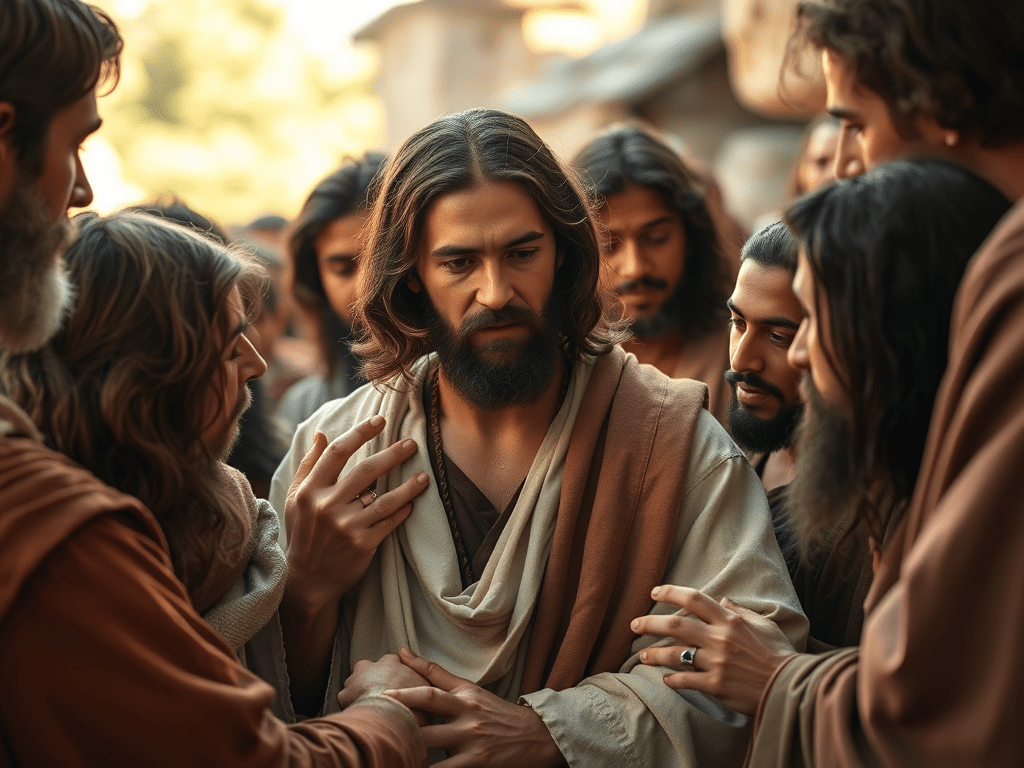
As we continue to look at discipleship, one important aspect that is often overlooked is the claim discipleship holds on the disciple. Too often, it is categorized by actions alone. Bible study, prayer, confession of sin, abstinence from what is considered to be sin, worship, and the sharing of the gospel are all things that should be present in the life of the disciple but each can also be used as mere cult practice, devoid of real relationship with Christ as its instigation. The true disciple does these things because of their commitment to Jesus and by His empowering Spirit with which they have been sealed (Ephesians 1:13). Authentic, historic discipleship is not simply following a leader but the pledging of one’s self to their person and cause. The disciple has become a student of the Master, yielding themselves to their teaching and observing their ways. Jesus’ call to follow Him meant that Simon and Andrew no longer identified as fishermen but as students of Jesus. The same is true for James, John, Philip, Matthew, and the other disciples we haven’t discussed in this series.
This claim is more than a namesake. Jesus recognized that God had given the disciples to Him in John 18:9. He teaches them that the world will know that they belong to Him if they love one another (John 13:35). The call to discipleship, when answered, comes with a claim. The disciple pledges to not only follow the Master but to be known as His. Following and belonging go hand in hand. Jesus said, “Follow me” and then immediately followed with “and I will.” Stated another way, Jesus is saying “If you will commit yourself to me, you will receive the benefits of one who belongs to me.” Belonging to Jesus is so much more than a simple, personal decision. Following Jesus is more than behavior modification. For the born-again believer, it’s living in relationship with Jesus to the degree that His life and character impact and influence every action and reaction. Every decision is run through the filter of His counsel. Every desire is sifted through the truth of His Word.
This is the living sacrifice Paul speaks of in Romans 12:2. Living, yet forfeited to the Lord. Nearly every New Testament epistle writer identifies themselves as a servant of Jesus. Though John identifies as the “disciple whom Jesus loved” his life’s work for the kingdom reveals that even those closest to Jesus did not exclude them from His claim over their lives. Paul eloquently describes this claim by saying, “Don’t you know that your body is a temple of the Holy Spirit who is in you, whom you have from God? You are not your own, for you were bought at a price. So glorify God with your body.” (1 Corinthians 6:19-20 CSB)
Because the disciple belongs to the master, he or she is now an extension of their ministry, carrying the weight of their name. In the case of the believer, this name is the one above them all! When Paul noted that he had studied under Gamaliel in Acts 22:3, he was bringing light to the elite educational heritage he possessed. Gamaliel was well respected amongst the teachers of the day. Paul’s inclusion of his name gave a certain gravitas to Paul’s learnedness and validity to his testimony among the Jews. How much more can the disciple of Jesus understand that their master is the King of Kings and Lord of Lords and that His claim on their lives brings with it the authority of the Son of the Living God?! Jesus tells his disciples that whatever they ask in His name, He will do it for the glory of the Father (John 14:13). Without getting into the different theological takes on this passage, I would point out that this was never a blank check for the disciples to ask for anything they desired. It was about the power of belonging to Jesus and ministering according to His will. As they relented their own desires and submitted to His, they were led to ask for what He wanted and what He willed. Of course, Jesus would do what they asked then! Discipleship isn’t about gaining authority through the Master, but about giving yours up for the sake of His will.
The claim of discipleship does not simply limit the life and actions of the disciple but elevates them to a place of honor beyond their origins. The disciple hasn’t chosen to be such but has been called to follow. Discipleship therefore cannot be a point of pride or boasting, because they are such because of the call of the Master. Their lives of service are such because they belong to Him. Paul’s invitation to follow or imitate him as he followed Christ (1 Corinthians 11:1) was not an invitation to be his disciple, but to be a disciple of Christ. Peter notes that the example set forth by Christ should lead to us following His steps (1 Peter 2:21). Paul further encourages the believer to adopt the same attitude or mindset as Christ, serving in humble obedience to the Father (Philippians 2:5-8). The Apostle continues this thought and reveals that it was this obedience that exalted Him and made it so that the name of Jesus was above every other name(Vs 9-11). This is the name that claims the believer. It is not the disciple who claims Jesus, but the inverse. Because we are called, we can follow. Because we are called, we can obey. And because we have been called, we have been claimed! Praise the Lord!
Want to know how to become a disciple? Click Here
 1126 Ministries
Leave a comment